Does a Hot Bath Help Sore Muscles After Exercise?
By WeStretch Editorial Team4 min read
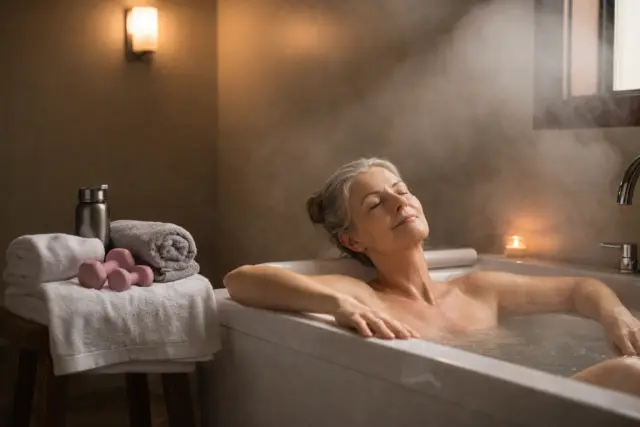
Yes, a hot bath can help relieve sore muscles, especially for adults noticing stiffness, tightness, or reduced mobility. Warm water supports circulation, relaxes tension, and can make everyday movement feel easier.
For many adults over 50, soreness is not just from workouts. It can come from daily activities like walking, gardening, or even sitting too long. A simple habit like a warm bath can be an easy, low-effort way to stay comfortable and keep your body moving well.
Let’s take a closer look at why it works and how to use it safely.
What Causes Sore or Stiff Muscles?
Muscle soreness is often linked to small amounts of strain from activity. This could be from exercise, but also from everyday movement, or doing something new or repetitive.
You may notice:
- Stiffness in the morning
- Tightness after sitting or resting
- Aches after walking, lifting, or light activity
As we age, the body naturally takes a bit longer to recover. Muscles and connective tissue can become less flexible, which makes regular recovery habits more important for maintaining independence and comfort.
A hot bath is one of the simplest ways to support that process.
Key Benefits of a Hot Bath for Muscle Relief
Improves Circulation
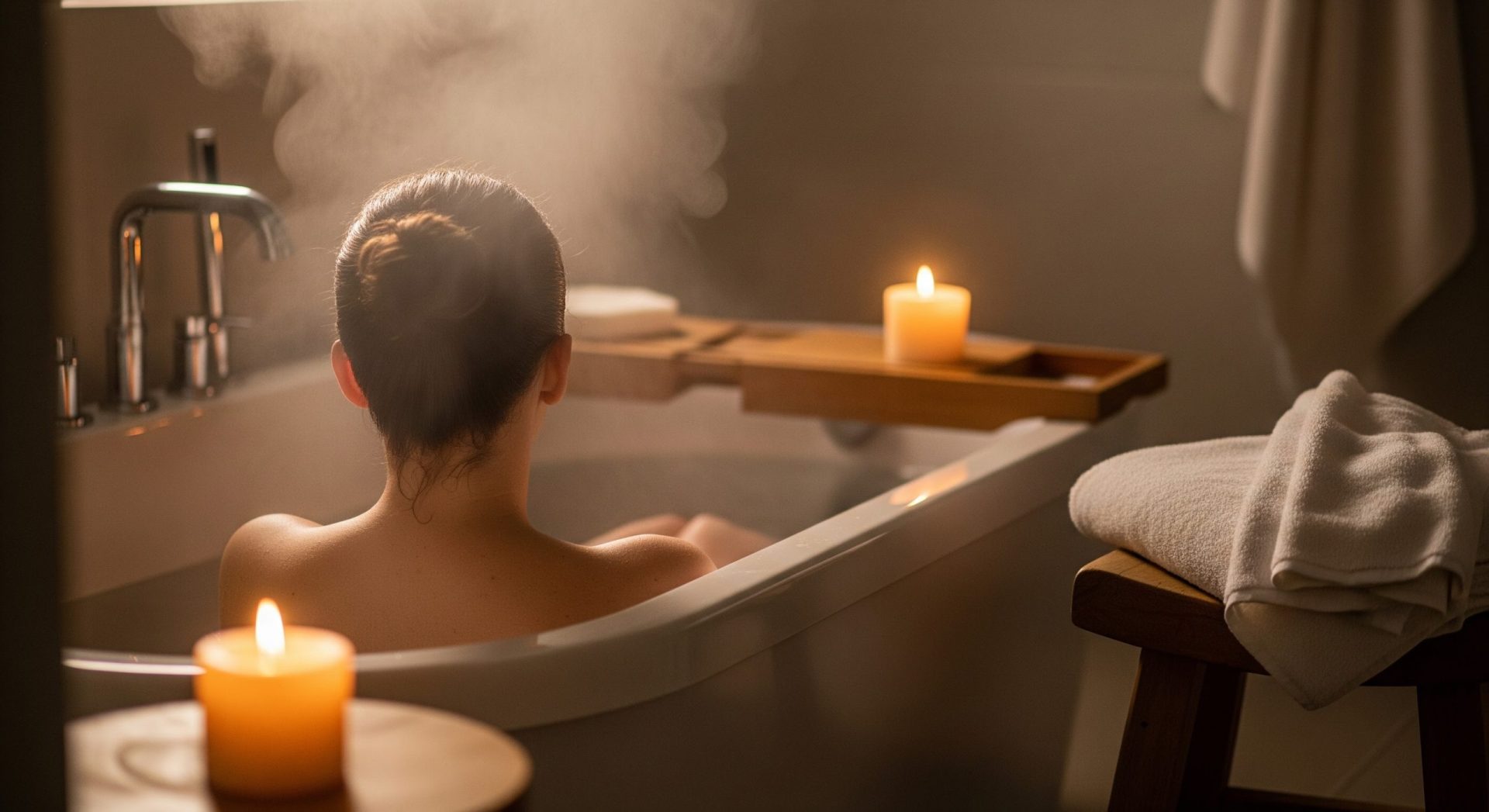
Warm water helps increase blood flow to muscles. This brings oxygen and nutrients to the area, which supports natural recovery and reduces that “stiff” feeling.
Relieves Muscle Tightness
Heat encourages muscles to relax. This can make it easier to move comfortably, especially if you feel tight in areas like the hips, back, or legs.
Reduces Everyday Aches
A warm soak can ease common discomfort from daily life, not just exercise. This is especially helpful for ongoing stiffness that builds up over time.
Supports Relaxation and Stress Relief
Tension in the body is often connected to stress. A warm bath helps calm the nervous system, which can reduce overall muscle tightness.
May Improve Sleep
Taking a bath in the evening can help you unwind and sleep more comfortably. Better sleep supports overall recovery and energy levels.
How Does a Hot Bath Help Sore Muscles?
A few simple processes happen when your body is exposed to warmth:
- Improved blood flow: Heat widens blood vessels, helping circulation
- Relaxed muscle signals: Muscles receive fewer “tightening” signals from the nervous system. A review via the National Institutes of Health examined heat and cold application for muscle recovery, worth reading if you want the deeper evidence.
- Reduced discomfort: Warmth can lower how strongly you feel aches or stiffness
- Increased flexibility: Soft tissues become more pliable, making movement easier
This is why many people feel looser and more mobile after even a short soak.
Following your bath with gentle stretching can help maintain that improved range of motion.
Hot vs. Cold: Which Is Better for Sore Muscles?
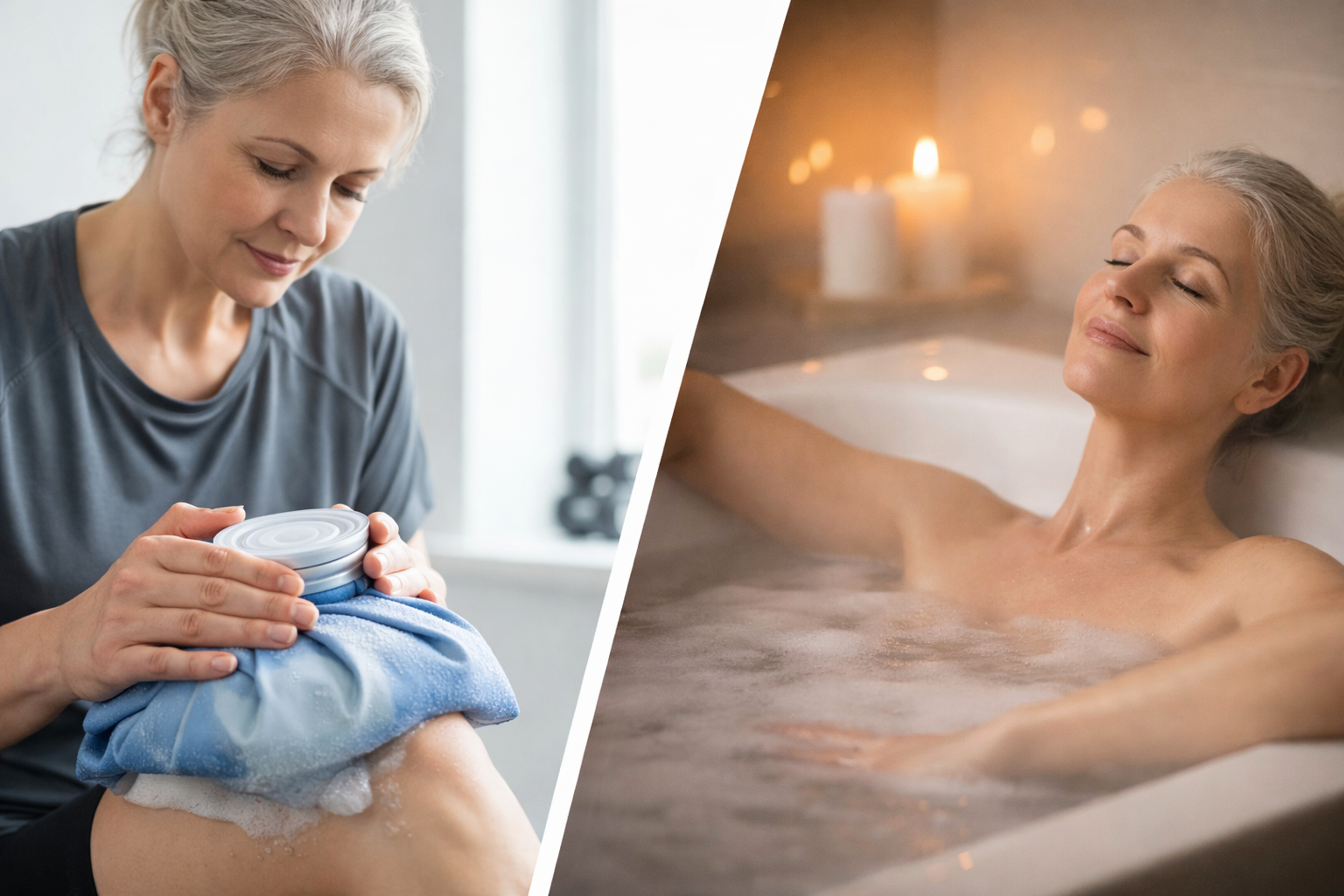
Both heat and cold can help, but they serve different purposes.
When to Use Cold
Cold therapy may help if you have recent swelling or sharp discomfort, especially within the first day after unusual activity.
When to Use Heat
Heat is usually the better choice for:
- Ongoing stiffness
- General muscle tightness
- Aches that last more than a day or two
- Improving comfort and mobility
For most adults focused on staying active and moving well, heat is often the more practical and comfortable option.
Best Practices for Taking a Hot Bath
To get the most benefit safely, keep it simple:
- Temperature: Warm, not overly hot (around 37–40°C / 98–104°F)
- Time: 15–20 minutes is enough
- Timing: Use when you feel stiff or tight, or later in the day to unwind
- Hydration: Drink water before and after
- Optional: Epsom salts can be added for comfort, though results vary
Most importantly, listen to your body. The goal is to feel better, not overheated or fatigued.
Build a Simple Recovery Routine That Supports Daily Movement
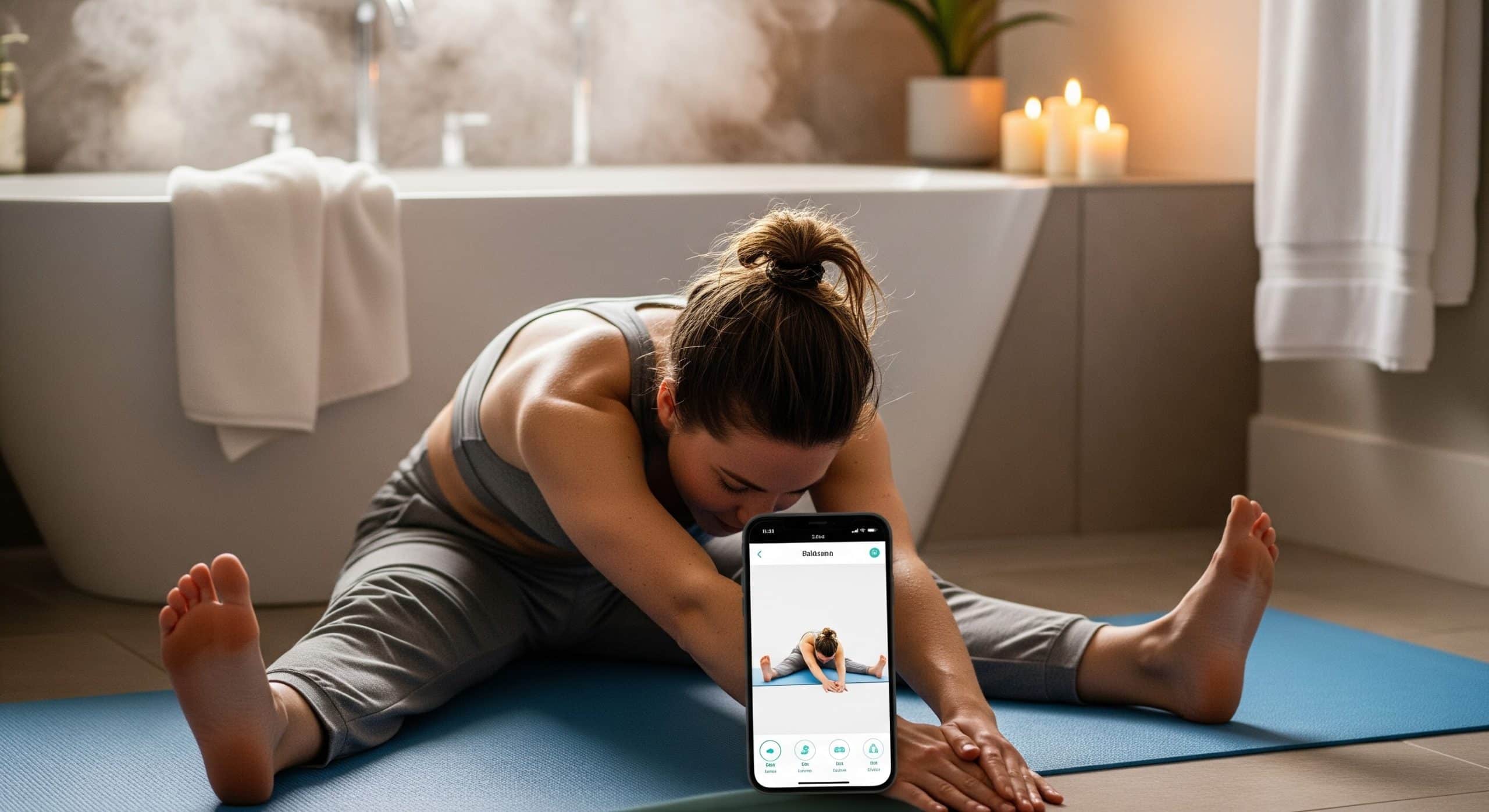
A hot bath can be a great first step, but it works best when paired with gentle, consistent movement.
Light stretching after a bath can help maintain flexibility and reduce stiffness over time. The key is keeping it simple and sustainable, something you can do regularly without strain.
That’s where tools like WeStretch can help. The app creates easy, guided routines designed to support mobility, reduce stiffness, and help you stay active safely. It is built for real people who want to move better, not push harder.
Small, consistent habits like these can make a meaningful difference in how your body feels day to day.
Frequently Asked Questions
Is a hot bath better than an ice bath for sore muscles?+
It depends. Cold is best for recent swelling or sharp pain, while heat works better for ongoing stiffness and general muscle tightness.
How long should I stay in a hot bath for sore muscles?+
About 15-20 minutes at a warm, not scalding, temperature is enough to get the circulation benefits.
Should I stretch before or after a hot bath?+
Stretching after a hot bath can help you take advantage of muscles that are already warm and more pliable.
How can I build a simple recovery routine?+
Pair a warm bath with gentle, consistent stretching. WeStretch offers guided routines designed to support that kind of recovery.