
10-Minute Daily Stretching Routine
By WeStretch Editorial Team4 min read

A daily stretching routine does not need to be long to be effective. Ten focused minutes each day can improve mobility, reduce stiffness, and support better movement throughout the body. When stretching is consistent and intentional, it becomes one of the most reliable ways to stay active without feeling tight, sore, or restricted.
This 10-minute stretching routine is structured as a simple, follow-along sequence you can repeat every day. It fits easily into busy schedules and supports everything from basic mobility to athletic recovery. If your goal is to move better, feel looser, and protect long-term joint health, this routine provides a clear structure without unnecessary complexity. For those who want hands-on support or faster progress, assisted stretching sessions with WeStretch can help reinforce these movements and improve overall mobility safely.
Stretching also improves circulation, supports nervous system regulation, and helps identify tight areas before they become painful. Paying attention to how each stretch feels builds body awareness, making it easier to adjust posture, training load, and recovery habits throughout the week.
Why Consistent Stretching Supports Better Movement
A stretching routine helps counteract prolonged sitting, repetitive movement, and physical stress. Over time, muscles shorten, and joints lose usable range when they are not moved through controlled positions.
Stretching daily restores movement options, improves posture awareness, and keeps joints functioning smoothly. Even short routines are effective when performed consistently, especially when paired with proper breathing and relaxed pacing.
Why Ten Minutes a Day Is Enough

A 10-minute stretching routine works because it prioritizes consistency. Short sessions are easier to maintain and reduce the temptation to skip days.
Ten minutes is enough time to address the full body without rushing. When repeated daily, these brief sessions create steady improvements without overwhelming the body or nervous system.
Short sessions also improve adherence during busy weeks. By lowering the barrier to entry, ten minutes encourages daily practice, steadier breathing, and calmer pacing. This consistency supports connective tissue health, reduces post-workout soreness, and reinforces safer movement patterns. Over weeks, small gains compound, leading to noticeable comfort, smoother transitions, and improved confidence across everyday tasks and training demands for active lifestyles everywhere.
How This Full Body Daily Stretching Routine Is Structured
This daily full-body stretch routine is divided into timed sections. Start by holding each stretch for a comfortable amount of time, then gradually build up to 30–45 seconds as flexibility improves, keeping your breathing slow and steady throughout.
The sequence moves from upper body to lower body, promoting balanced mobility, smoother transitions, and better overall coordination during movement.
Gentle Morning Stretches to Wake the Body

Minute 1–2: Gentle neck movements
Slowly tilt the head side to side, then rotate in controlled circles to release overnight stiffness.
Minute 2–3: Shoulder rolls and arm circles
Move arms forward and backward, keeping motion smooth to increase circulation and shoulder mobility.
Daily Stretch Routine For Mobility
Minute 3–4: Thoracic spine rotation
Seated or standing, rotate the upper body side to side with arms crossed or extended.
Minute 4–5: Hip openers
Perform gentle hip circles or a standing figure four stretch to improve joint mobility and control.
A Stretching Routine For Beginners
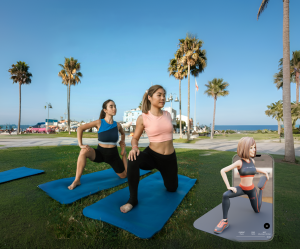
Beginners should move slowly and stay within a comfortable range.
Minute 5–6: Standing hamstring stretch
Hinge at the hips with a soft knee bend, keeping the spine long.
Minute 6–7: Calf stretch
Step one foot back and gently press the heel toward the floor while maintaining balance.
A Stretching Routine For Flexibility
Minute 7–8: Quad stretch
Standing or lying on your side, bring the heel toward the glutes while keeping your hips neutral.
Minute 8–9: Chest and shoulder opener
Clasp hands behind the back or use a doorway stretch to open the front of the shoulders.
Using Stretching to Support Recovery

This routine works well after workouts or on rest days.
Slow transitions between stretches help reduce muscular tension, improve circulation, and support recovery without adding physical stress.
Stretching Considerations for Active Individuals
A consistent stretching routine for athletes benefits from consistent attention to the hips, hamstrings, calves, shoulders, and the upper back.
Minute 9–10: Full body reset
Finish with a forward fold or gentle spinal roll up to integrate the session and restore alignment.
Making Stretching a Sustainable Habit

The best daily stretch routine is the one you repeat. Choosing the same time each day builds consistency and habit.
Ten minutes is enough to create lasting improvements when stretching becomes routine rather than occasional, supporting long-term movement quality and comfort.
Frequently Asked Questions
Is a 10-minute daily stretching routine enough?+
Yes. Ten focused minutes per day can significantly improve mobility and flexibility over time.
Should stretching be done in the morning or evening?+
Both are effective. Daily morning stretch routine sessions support mobility, while evening sessions help release tension.
Is this routine suitable for beginners?+
Yes. Movements are controlled, pain-free, and easy to adjust.
How can WeStretch support a stretching routine?+
WeStretch provides assisted stretching sessions that complement this routine by improving flexibility, reducing tension, and helping clients move more freely and comfortably.