Cool-Down Stretches for Recovery, Mobility, and Less Stiffness
By WeStretch Editorial Team4 min read
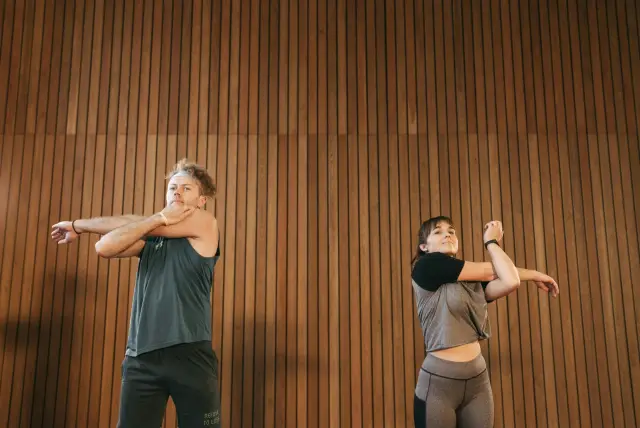
Post-workout stretches are one of the simplest ways to reduce stiffness, support mobility, and help your body feel better after activity. For active adults 50+, taking a few minutes to stretch after movement can make a noticeable difference in how your body feels later that day and the next morning.
After exercise, muscles are warm and more open to gentle lengthening. Without a proper cool-down, it is common to feel tight, stiff, or less mobile afterward. Over time, skipping this step can contribute to reduced flexibility and discomfort during everyday activities like walking, reaching, or getting up from a chair.
A short, consistent stretching routine helps your body transition out of activity and back into a relaxed state. It supports circulation, eases tension, and helps maintain the range of motion needed to stay active and independent.
This guide by WeStretch focuses on simple, effective post-workout stretches designed to support recovery, reduce stiffness, and help you move more comfortably day to day.
Why Cool Down Stretches Matter After Exercise
After any type of activity, whether it is walking, light strength training, or a fitness class, muscles naturally tighten. If they are not gently stretched, that tightness can linger and move feel more restricted later on.
Post-workout stretches help:
- Reduce stiffness after activity
- Support joint comfort and mobility
- Improve circulation to tired muscles
- Promote relaxation and recovery
For adults noticing early signs of stiffness or reduced mobility, this step becomes less about performance and more about maintaining how your body moves over time.
How Stretching Supports Recovery and Mobility
Stretching after activity supports both muscles and joints. Because the body is already warm, movements can be done gently and comfortably without forcing flexibility.
Consistent stretching helps:
- Prevent muscles from staying shortened or tight
- Maintain joint range of motion
- Reduce daily aches and tension
- Support smoother, more confident movement
Rather than focusing on pushing limits, the goal is to keep the body feeling open, relaxed, and capable for everyday life.
Gentle Full-Body Stretches to Reduce Stiffness
The most helpful stretches target areas that commonly feel tight, especially as we age. These include the hips, hamstrings, calves, chest, shoulders, and spine.
A simple full-body routine may include:
- Seated hamstring stretch
- Hip flexor stretch to ease lower body tension
- Chest opener to improve posture
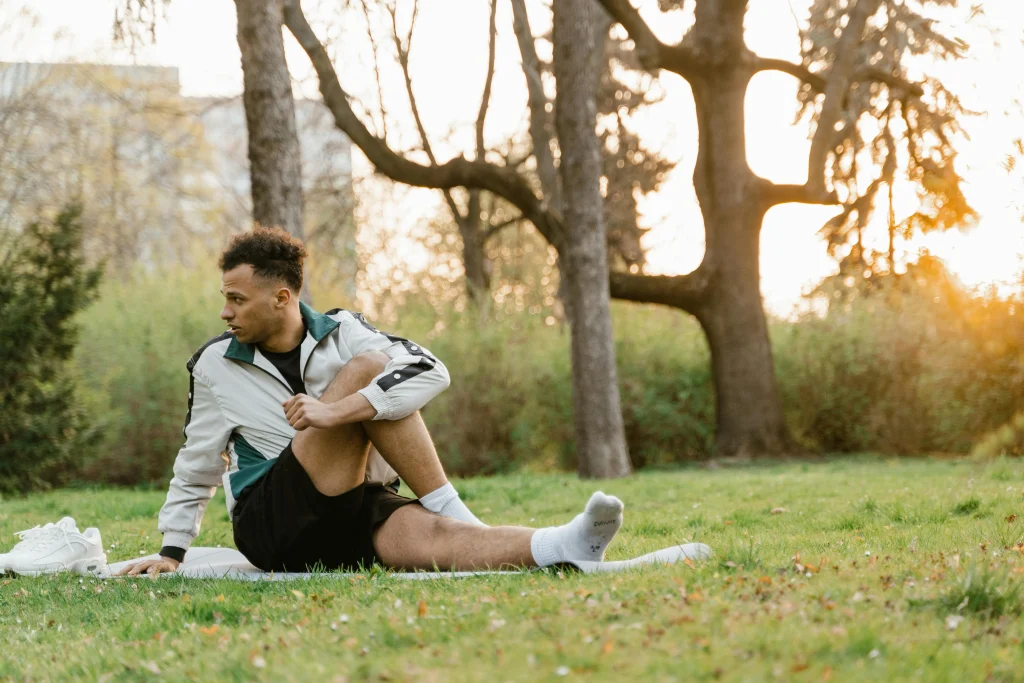
- Gentle spinal twist for mobility
Moving through these areas slowly helps your body reset after activity and reduces the likelihood of stiffness building up.
Lower Body Stretches After Walking or Exercise
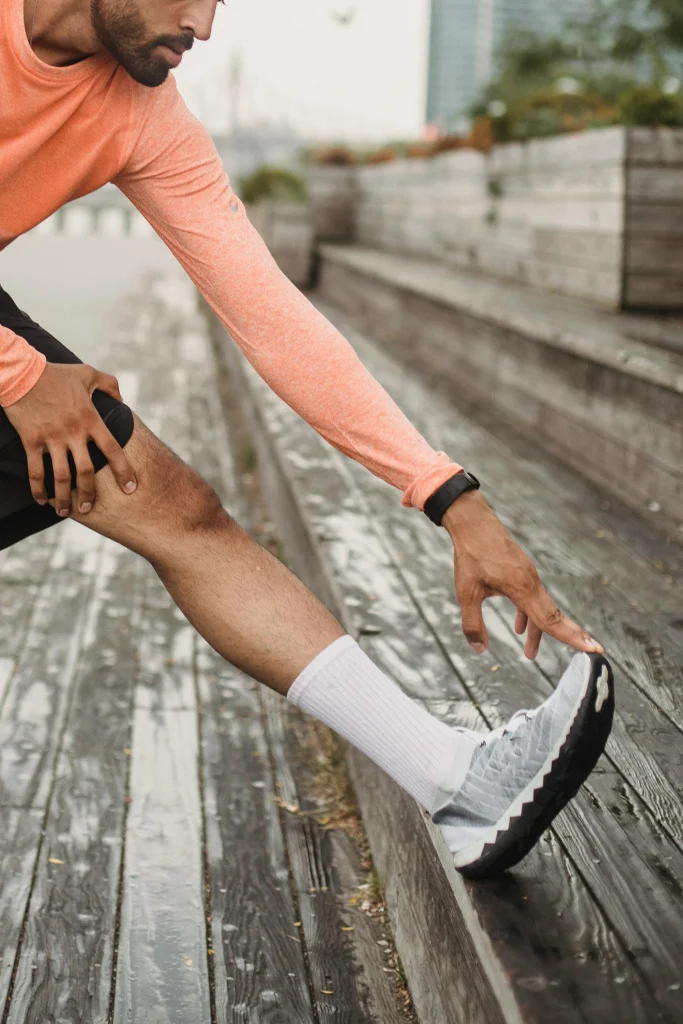
Activities like walking, running, climbing stairs, or light strength exercises can leave the lower body feeling tight.
Focus on:
- Hamstrings (back of the legs)
- Quadriceps (front of the thighs)
- Calves
- Glutes
Stretching these areas helps relieve tension, improve circulation, and support comfortable movement throughout the day. Gentle breathing during each stretch allows muscles to relax naturally without strain.
Upper Body Stretches for Posture and Comfort
Upper body tightness is common, especially for those who spend time sitting or using screens.
Helpful stretches include:
- Chest openers to counter rounded posture
- Shoulder stretches to improve range of motion
- Gentle neck stretches to reduce tension
These movements can help reduce discomfort, support better posture, and make everyday movements like reaching or turning feel easier.
5-Minute Cool Down When Time Is Limited
Even a short routine can make a meaningful difference.
A 5-minute stretch can:
- Reduce immediate stiffness
- Help your body relax after activity
- Support consistency in your routine
Keeping it simple makes it easier to stick with long-term, which is where the real benefits come from.
When to Take a Little More Time
A longer, 10-minute stretch session can be helpful after more activity or on days when your body feels especially tight.
This allows you to:
- Spend more time on each area
- Breathe more deeply and relax
- Release built-up tension more effectively
There is no need to push. The focus should always be on comfort and gentle movement.
Making Stretching a Daily Habit
The most effective routine is the one you can maintain.
To build consistency:
- Keep stretches simple and familiar
- Move slowly and avoid forcing positions
- Pair stretching with the end of your activity
Over time, this helps reduce stiffness, improve mobility, and support independence in daily life.
Assisted stretching at WeStretch can also provide additional support by helping you safely improve flexibility and maintain how your body moves over time.
Supporting Long-Term Mobility and Independence
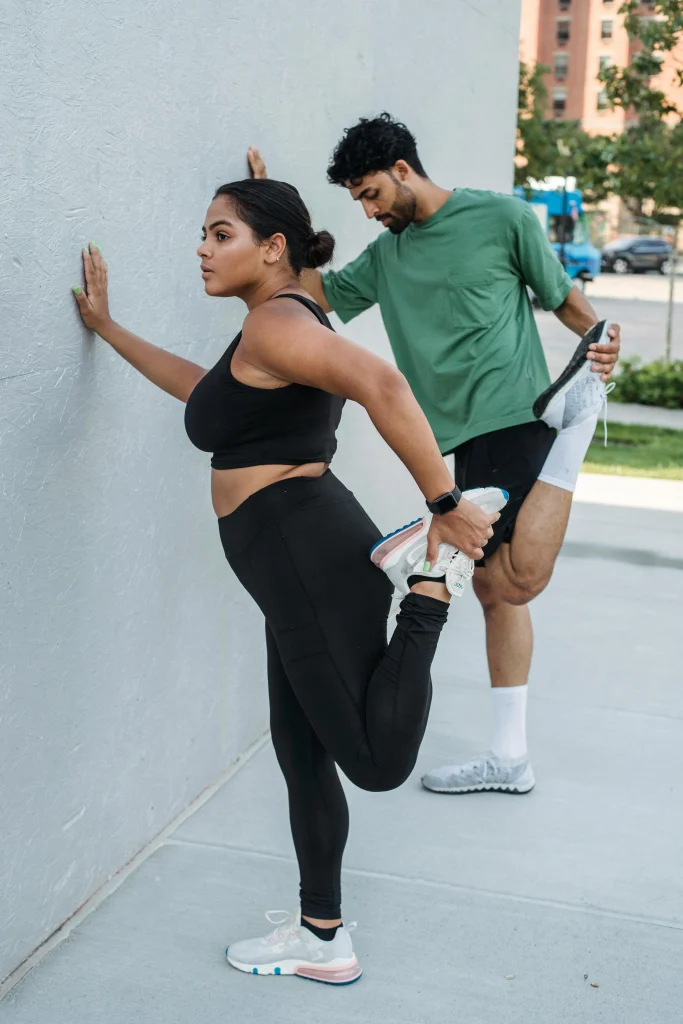
Post-workout stretching is not just about recovery in the moment. It plays an important role in maintaining how your body feels and moves as you age.
With consistency, stretching can help:
- Reduce ongoing stiffness
- Support joint health
- Improve posture and balance
- Make everyday movements feel easier
For many people, it becomes a simple habit that supports staying active, comfortable, and independent for years to come.
Frequently Asked Questions
How long should I stretch after activity?+
A short 5 to 10 minute routine is enough to support recovery and reduce stiffness.
Do I need to stretch after every workout?+
Yes. Even light activity benefits from a short stretching routine to help your body recover and stay mobile.
What stretches should I focus on?+
Focus on the areas you used most, along with gentle full-body movements to support overall mobility.
How can WeStretch help?+
WeStretch offers guided assisted stretching sessions designed to improve mobility, reduce tension, and help you move comfortably and confidently.