Stretches That Stop Gamer Neck Before It Starts
By WeStretch Editorial TeamUpdated 6 min read
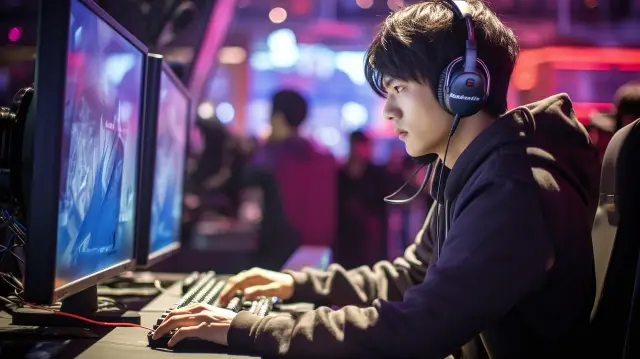
If you spend long hours gaming, working, or scrolling, you may feel tension in your neck and upper back. This forward head position, often called gamer neck, develops when your head sits in front of your shoulders. With simple stretches and daily habits, you can relieve tension, improve alignment, and prevent it from becoming a long-term issue.
WeStretch takes the guesswork out of stretching for gamer neck and screen-related posture issues. Instead of generic routines, the app delivers short, personalised stretch sessions based on how long you sit, where you feel tight, and how much time you have. Making it easier to stay comfortable, mobile, and pain-free during long hours at a screen.
What Is Gamer Neck?
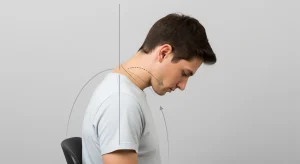
A slouch screen neck is a form of forward head posture. It happens when your head drifts in front of your shoulders for extended periods of time. This position puts extra strain on your neck, upper back, and shoulders.
Your head weighs about the same as a bowling ball. When it sits directly over your spine, your muscles can support it easily. When it moves forward, your neck and upper back have to work much harder to hold it up.
Over time, this can lead to:
- Neck stiffness
- Shoulder tension
- Upper back soreness
- Headaches
- Rounded posture
- Reduced mobility
Why Digital Neck Strain Develops So Easily
Modern life makes forward head posture almost unavoidable. Gaming, texting, working on a laptop, and watching TV all encourage the same position: chin forward, shoulders rounded, upper back slouched.
You might not even notice it while sitting, but stiffness often shows up once you stand or stretch. Over time, this posture can lead to what’s commonly called a tech neck hump, where the upper back rounds and stiffens. The goal isn’t perfect posture, but regular movement breaks that help your body reset and recover.
Signs You Might Be Developing Tech Neck
You may be dealing with this posture if you notice:
- Your chin juts forward when you look in the mirror
- Your shoulders sit rounded instead of relaxed
- You feel tension at the base of your skull
- Your neck feels stiff when turning side to side
- You get frequent tension headaches
- Your upper back feels tight or compressed
These are common signs of poor neck posture, especially for people who spend long hours seated.
Why WeStretch Helps Prevent Gamer Neck

Understanding which stretches improve posture is important, but consistency drives real results. Many people skip key areas, over-stretch, or struggle to keep a routine during long screen hours.
WeStretch simplifies this with short, personalized stretching sessions tailored to screen-related posture issues. Routines adapt to sitting time, tight areas, and available time, helping you focus on the neck, shoulders, and upper back safely and effectively.
The Best Way to Prevent Poor Neck Posture

The most effective approach combines:
- Gentle stretching
- Strengthening the upper back
- Posture awareness
- Regular movement breaks
This is where short daily routines make a big difference. If your goal is to understand how to fix forward head posture, the stretches below are an excellent place to start.
Stretch 1: Chest Opener at the Wall
This stretch releases tight chest muscles that pull your shoulders forward.
How to do it:
- Stand beside a wall
- Place one palm against the wall behind you
- Gently turn your body away
- Hold for 20–30 seconds
- Switch sides
Why it helps:
Tight chest muscles contribute heavily to rounded shoulders and forward head posture. Opening them allows your upper body to sit more upright.
Stretch 2: Upper Trapezius Neck Stretch
This stretch targets the muscles that get overworked when your head leans forward.
How to do it:
- Sit tall
- Gently tilt your ear toward your shoulder
- Use your hand to apply light pressure
- Hold for 20–30 seconds
- Switch sides
Why it helps:
This area often carries the brunt of neck tension.
Stretch 3: Chin Tucks
Chin tucks strengthen the deep neck muscles that hold your head in alignment.
How to do it:
- Sit or stand tall
- Gently pull your chin straight back
- Keep your gaze level
- Hold for 3–5 seconds
- Repeat 10 times
Why it helps:
This movement teaches your body what proper neck alignment feels like.
It’s one of the most effective exercises to fix forward head positioning over time.
Stretch 4: Thoracic Spine Extension
This helps reverse upper back rounding.
How to do it:
- Sit on a chair
- Place your hands behind your head
- Gently arch your upper back
- Look slightly upward
- Return to neutral
Why it helps:
It restores mobility in the area that tends to stiffen when you sit for long periods.
Stretch 5: Shoulder Blade Squeeze
This activates the muscles that pull your shoulders back.
How to do it:
- Sit or stand tall
- Gently squeeze shoulder blades together
- Hold for 5 seconds
- Repeat 10–15 times
Why it helps:
Strong upper back muscles support better posture throughout the day.
Stretch 6: Forward Fold Release
This gentle stretch decompresses the spine and releases tension.
How to do it:
- Stand with soft knees
- Slowly fold forward
- Let your head hang
- Hold for 30 seconds
Why it helps:
This resets your spine after long sitting sessions.
How Your Sitting Position Impacts Your Neck Posture
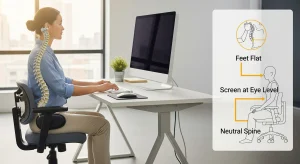
Many people don’t realise that posture is a full-body issue. Your head follows your spine. If your hips collapse and your upper back rounds, your neck will naturally move forward.
When sitting:
- Keep feet flat on the floor
- Sit tall on your sit bones
- Relax your shoulders
- Keep your screen at eye level
- Avoid leaning forward
If you find yourself constantly slouching, posture supports or a neck posture corrector can help remind your body where neutral alignment should be. These tools aren’t a fix on their own, but they can reinforce better habits.
The Role of Yoga and Mobility Work
Lean forward yoga poses help lengthen the back of the body, decompress the spine, and release shoulder tension, making them a great addition to daily mobility work..
Daily Habits That Prevent Poor Neck Posture
Small changes make a big difference over time.
Try these habits:
- Set a timer to stand every 30–60 minutes
- Raise your screen to eye level
- Do 2–3 stretches between gaming sessions
- Avoid cradling your phone in your lap
- Use a supportive chair
- Strengthen your upper back regularly=
These habits protect your neck even when your screen time stays the same.
How Long Does It Take to Fix?

Posture changes take time, but consistent movement and awareness often lead to improvement within weeks. Repetition helps your body maintain better alignment, and progress is possible even with long-standing posture issues.
When to Seek Extra Support
If you experience:
- Sharp pain
- Tingling in your arms
- Frequent headaches
- Reduced neck mobility
- Numbness
- Shoulder weakness
It’s a good idea to consult a physiotherapist or healthcare professional for guidance.
Build a Simple Routine
Here’s a short routine you can do once or twice a day:
- Chin tucks: 10 reps
- Chest opener: 30 seconds each side
- Upper trap stretch: 30 seconds each side
- Shoulder blade squeezes: 15 reps
- Thoracic extension: 10 reps
This takes less than five minutes and keeps your neck mobile and supported.
Take Control of Your Neck Health Today

Tech neck doesn’t develop overnight! And they aren’t fixed with a single stretch. Real improvement comes from consistent, gentle movement that supports your body where it needs it most.
WeStretch provides physiotherapist-designed stretching routines that adapt to your posture habits, areas of tightness, and daily schedule. Whether you have five minutes or twenty, each session supports better neck alignment and long-term comfort.
Start your free trial today and make simple daily movement part of protecting your neck health.
Frequently Asked Questions
What exactly is "gamer neck"?+
Gamer neck is a form of forward head posture where the head sits in front of the shoulders for extended periods, straining the neck and upper back muscles that work harder to hold it up.
How long does it take to fix gamer neck?+
There's no fixed timeline, but consistent daily stretching and posture awareness often lead to noticeable improvement within a few weeks.
Can gamer neck cause headaches?+
Yes. The muscle tension from forward head posture commonly radiates into the base of the skull and can trigger tension headaches.
Do I need special equipment to fix gamer neck?+
No. The stretches that help most, like chin tucks and chest openers, require no equipment. WeStretch offers short, personalized routines that build these stretches into your day.