
Gentle Stretches For Shoulder Blade Pain And Tension Relief
By WeStretch Editorial TeamUpdated 5 min read
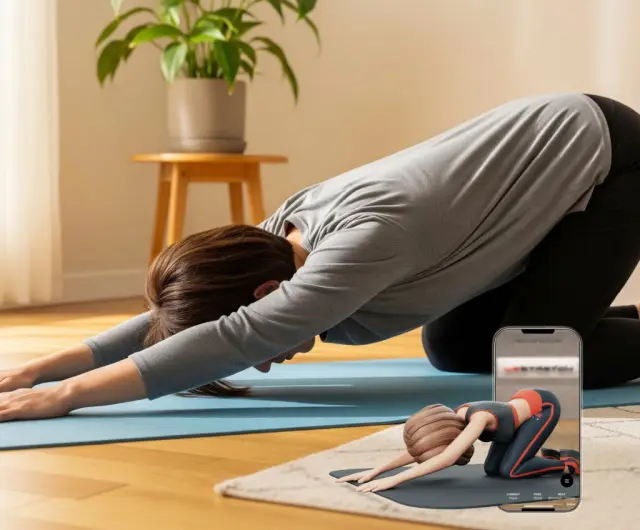
Shoulder discomfort can feel like a constant tension sitting across your upper back, especially when everyday movements become difficult. If you’re experiencing pain behind the shoulder blade, pain under the shoulder blade, or even a persistent upper back ache between shoulder blades, you’re not alone. Many Canadians struggle with tight upper-back muscles caused by posture, desk work, workouts, or stress.
The good news? Targeted stretches for shoulder pain can help restore mobility, reduce stiffness, and support long-term relief. With consistent movement and the right approach, stretches for shoulder blade pain can ease discomfort while improving posture and overall movement quality.
In this guide, we’ll explore practical exercises, mobility strategies, and strengthening techniques designed to relieve pain between the shoulder blades, reduce tension, and help you move comfortably again.
Why Stretches for Shoulder Blade Pain Matter
Shoulder blade discomfort often develops gradually. Tight muscles, poor posture, repetitive movement, or muscle imbalances can contribute to upper back pain between the shoulder blades, pain below the shoulder blade, or a lingering sore under the shoulder blade.
Regular stretching helps by:
- Improving circulation to tight muscles
- Restoring joint mobility
- Supporting posture alignment
- Preventing recurring strain
- Reducing inflammation and muscle guarding
When done consistently, these stretches can help address the root causes rather than just masking symptoms.
How Shoulder Blade Pain Affects Your Daily Life

Living with pain behind the shoulder blade or pain under the shoulder blade can affect more than just workouts. Every day activities become uncomfortable:
- Reaching overhead may trigger pain between the shoulder blades
- Carrying groceries can worsen pain below the shoulder blade.
- Sitting at a desk may increase upper back pain between the shoulder blades.
Sleep quality often suffers, too. Many people notice worsening upper back pain between the shoulder blades when lying down or shifting positions overnight.
Over time, the body compensates by slouching or guarding painful areas, reinforcing muscle imbalance. This cycle makes stretching and strengthening essential for recovery.
Understanding the Causes of Shoulder Blade Pain
Common contributors include:
- Poor posture or prolonged sitting
- Weak upper-back muscles
- Overuse from workouts or lifting
- Muscle tightness from stress
- Limited thoracic spine mobility
These factors often lead to chronic tension and require a combination of shoulder blade stretch routines and strengthening movements.
Cross-Body Shoulder Stretch

How to Perform
- Extend one arm across your chest.
- Use your opposite hand to support the elbow.
- Gently pull the arm closer without forcing.
- Hold for 20–30 seconds and switch sides.
Benefits
- Releases tight posterior shoulder muscles
- Reduces upper back ache between the shoulder blades
- Improves mobility for daily movement
This is an excellent foundational shoulder blade stretch to include in any routine.
Towel Stretch for Mobility and Flexibility

The towel stretch helps people experiencing pain under the shoulder blade regain range of motion.
Steps
- Hold a towel overhead with both hands.
- Pull one end behind your back while the other arm stays extended.
- Maintain gentle tension.
Why It Works
- Improves shoulder rotation
- Reduces stiffness causing pain below the shoulder blade
- Enhances flexibility for lifting and reaching
This movement also pairs well with stretch band exercises for the shoulders when progressing mobility work.
Finger Walk Stretch for Shoulder Activation

The finger walk stretch is simple yet highly effective for easing pain between the shoulder blades.
Instructions
- Stand facing a wall.
- Place fingertips at waist height.
- Slowly “walk” fingers upward.
- Stop before discomfort appears.
Benefits
- Encourages healthy shoulder movement
- Supports posture correction
- Relieves upper back pain between the shoulder blades
This exercise bridges mobility work and good shoulder exercises that rebuild strength safely.
Armpit Stretch to Target Deep Muscles

The armpit stretch focuses on muscles often responsible for sore sensations under the shoulder blades.
How to Do It
- Raise one arm overhead.
- Place your hand on the opposite shoulder.
- Lean forward gently.
This stretch targets deeper stabilizing muscles like the serratus anterior, helping relieve persistent pain under the shoulder blade and restoring functional mobility.
Pendulum Stretch for Gentle Relief

When pain feels intense, gentle motion is best. The pendulum stretch reduces tension without loading the joint.
Steps
- Lean forward while supporting yourself on a chair.
- Allow your arm to hang freely.
- Move in slow circles.
Benefits
- Relaxes tight shoulder muscles
- Decreases inflammation
- Helps manage pain behind the shoulder blade during recovery
It’s especially useful before progressing into a full shoulder back workout.
Strengthening Exercises to Prevent Recurrence

Stretching alone isn’t enough. Strengthening prevents future flare-ups.
Include these good shoulder exercises:
- Scapular squeezes
- Wall angels
- Resistance rows
- Band pull-aparts
Adding stretch band exercises for the shoulders helps activate stabilizing muscles that support posture and reduce upper back pain between the shoulder blades long-term.
A balanced shoulder back workout improves endurance and reduces muscular compensation patterns that lead to recurring discomfort.
Building a Daily Shoulder Blade Stretch Routine
Consistency matters more than intensity.
Suggested Routine
- 5–10 minutes daily mobility work
- Combine stretching and strengthening.
- Focus on posture awareness.
- Progress gradually
A well-structured routine combining stretches for shoulder pain, strengthening, and mobility helps maintain lasting results.
Tools like WeStretch can guide users through structured routines with visual demonstrations and tracking, making daily consistency easier.
Exercise Smarter: Long-Term Prevention Tips
To prevent recurring pain below the shoulder blade or between the shoulder blades, focus on lifestyle habits:
- Adjust workstation ergonomics
- Take movement breaks every hour.
- Strengthen upper-back muscles
- Avoid prolonged forward head posture
- Warm up before workouts.
Combining mobility with a consistent shoulder back workout creates lasting resilience against future discomfort.
Start Moving Pain-Free Again

Shoulder blade discomfort doesn’t need to control your daily life. By combining targeted stretches, strengthening movements, and consistent mobility work, you can reduce stiffness, improve posture, and move with confidence again.
Whether you’re managing pain below the shoulder blade, sore under the shoulder blade, or persistent upper back ache between shoulder blades, small daily habits make a powerful difference. Stay consistent, move gently, and prioritize long-term mobility for lasting relief.
Ready to build a routine that keeps you moving pain-free? WeStretch makes daily stretching simple with guided programs, progress tracking, and expert-designed routines to support your mobility journey. Start stretching smarter today and feel the difference.
Frequently Asked Questions
How do I relieve shoulder blade pain quickly?+
Start with gentle movements like a shoulder blade stretch, cross-body stretch, and pendulum movements. Avoid aggressive stretching and focus on controlled breathing and gradual mobility improvements.
What causes pain between the shoulder blades?+
Common causes include posture imbalance, weak upper-back muscles, stress tension, or repetitive movement patterns leading to upper back ache between the shoulder blades.
How often should I do stretches for shoulder pain?+
Daily mobility work is ideal. Even 5–10 minutes of stretches can significantly improve flexibility and reduce stiffness over time.
Does WeStretch help with shoulder pain?+
Yes. Structured programs focusing on flexibility, posture, and strengthening can support recovery from pain behind the shoulder blade and related tension issues.