Hip Flexor Stretches for Better and Pain-Free Mobility
By WeStretch Editorial Team4 min read
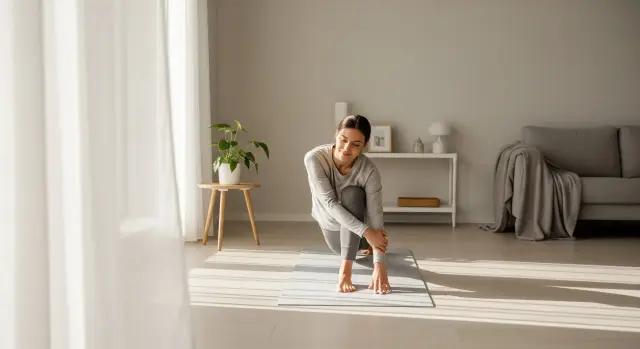
Tight hips can sneak up on you, affecting your posture, back comfort, and how smoothly you move. If you sit often, train hard, or feel tension through the front of your hips, a simple routine of hip flexor stretches can help you move with more ease and control.
With WeStretch, guided sessions led by virtual coaches Ada and Bruce take the guesswork out of stretching. Whether you are at home, at your desk, or post-workout, WeStretch makes staying consistent simple.
Why Hip Flexor Stretches Matter for Pain-Free Mobility
Your hip flexors sit at the front of your hips and help lift your knees and stabilize your pelvis. Sitting for long periods or repetitive training can shorten these muscles, leading to stiffness, poor posture, and lower back strain.
Hips are often both tight and weak. When the glutes and core do not provide enough support, hip flexors overwork. That is why effective hip flexor stretches focus on alignment and control, supported by hip adductor stretches and hip abductor stretching to improve balance and movement.
Signs Your Hips May Need Extra Attention
Hip tightness does not always show up as sharp pain. Often, it appears as subtle movement restrictions or lingering discomfort during everyday activities.
Common signs your hips may need attention include:
- Front of hip tension after sitting for long periods
- Low back tightness when standing or walking
- One side feels more limited during an internal hip rotation stretch
Step-By-Step Routine for Daily Mobility
Do this sequence once daily, or twice a day if you sit for long periods. Hold each stretch for up to 20–30 seconds and complete two rounds per side.
1. Kneeling Hip Flexor Stretch
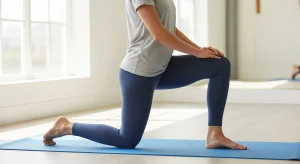
This foundational movement doubles as a lunge stretch hip flexor and a lunge stretch for hip flexors, especially when space is limited.
Steps
- Kneel on one knee with the opposite foot forward, knee stacked over ankle
- Stack your ribs over your hips and gently tuck your pelvis
- Squeeze the glute on the kneeling side and shift forward
- Optionally raise the same, side arm overhead and lean slightly across
2. Standing Hip Flexor Stretch
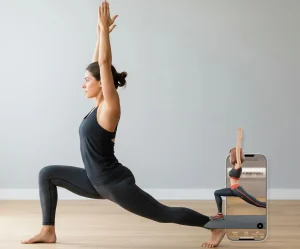
This is ideal for quick work breaks and warm-ups and functions as a standing hip flexion stretch.
Steps
- Stand tall and step one foot back into a split stance
- Keep the front knee soft and the back heel lifted
- Gently press your hips forward while keeping your torso upright
- Raise arms overhead if balance allows
Cycle this stretch throughout the day if you’re dealing with tight hips from prolonged sitting.
3. Butterfly Stretch
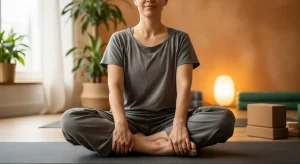
Inner hip tension often contributes to hip flexor discomfort, which is why hip adductor stretches are essential.
Steps
- Sit tall with the soles of your feet together
- Let your knees fall outward and hold your feet
- Stay upright or hinge forward slightly with a long spine
- Breathe slowly and relax into the stretch
This stretch is helpful when learning how to release tight hips without forcing the range of motion.
4. Supine Hip Flexor Stretch
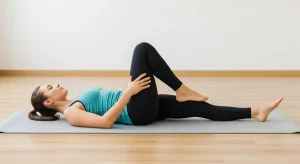
This low-impact option is ideal for recovery days or sensitive hips.
Steps
- Lie on your back with one leg straight and the other knee bent
- Pull the bent knee toward your chest
- Keep your back heavy on the floor and avoid twisting
- Switch sides
If you feel deep tension near the hip reflector muscle, keep the stretch gentle and focus on long, slow exhales.
5. Couch Stretch
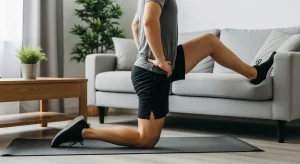
This deeper stretch is a favorite lunge stretch for hip flexors, especially after long desk days.
Steps
- Place your back shin against a couch or wall with your knee on the floor
- Step the other foot forward into a lunge
- Squeeze the back, leg, and glute, and rise tall
- Hold, breathe, and switch sides
Start with short holds. Over time, this becomes one of the most effective hip flexor stretches.
Small Add-ons That Make a Big Difference
Outer-hip support
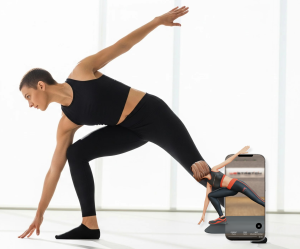
A gentle hip abductor stretch, such as a side lunge or standing cross-over lean, can reduce front of hip tightness. Aim for light hip abductor stretching three to four times per week.
Rotation control
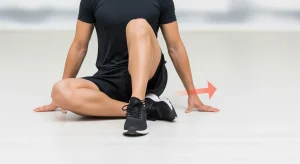
Practice a slow internal hip rotation stretch in a seated 90/90 position without forcing range. This supports smoother movement and pairs well with hip stretches for runners.
Don’t Chase Pops!
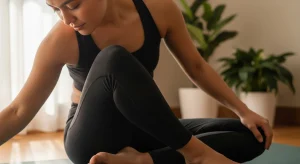
Many people ask how you can pop your hip, but forcing a pop can irritate the joint. Focus instead on controlled mobility, steady breathing, and learning how to release tight hips safely.
Short, frequent hip flexor stretches during the day are often more effective than one long weekly session.
Common Hip Flexor Stretching Mistakes to Avoid
Hip flexor stretches are most effective when done with proper alignment and control. Common mistakes to avoid include:
- Arching the lower back instead of keeping the pelvis neutral
- Forcing range of motion or pushing too deeply into the stretch
- Skipping glute and core engagement
Focus on gentle tension, steady breathing, and controlled movement to keep hip flexor stretches safe and effective.
Move Better with WeStretch
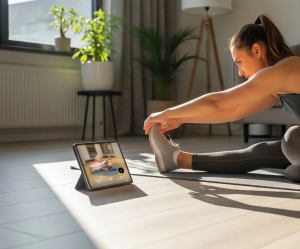
Consistency matters more than intensity. WeStretch helps you stay consistent with short, guided stretching sessions, clear demos, and progress tracking. Virtual coaches Ada and Bruce cue proper positioning, breathing, and tempo, making stretches for tight hips safer and more effective.
With routines for desk days, recovery, and running, WeStretch fits easily into your day and helps your mobility improve over time.
Frequently Asked Questions
What Causes Tight Hip Flexors?+
Tight hip flexors often come from prolonged sitting, repetitive movement, and poor pelvic control. Weak glutes and core can cause the hip flexors to overwork.
Can Tight Hips Contribute to Back Pain?+
Yes. Tight hip flexors can pull the pelvis forward and increase strain on the lower back.
How Often Should I Stretch?+
Daily stretching is ideal. Runners can stretch after workouts and on rest days to maintain mobility.
Why Do My Hips Click?+
Clicking may come from tendons moving over bone or joint mechanics. Focus on controlled movement instead of trying to pop the hip.
Standing or Kneeling, What’s Better?+
Both work well. Standing stretches are quick and convenient, while kneeling stretches help reinforce proper alignment.