
Rhomboid Muscle Stretching for Better Posture and Everyday Comfort
By WeStretch Editorial TeamUpdated 3 min read
Discomfort between the shoulder blades is common, especially as we spend more time sitting, driving, or looking down at screens. For many adults, this can show up as stiffness, tension, or a feeling that it is harder to sit or stand comfortably.
The rhomboid muscles, located between your shoulder blades, play an important role in posture and upper back support. When these muscles become tight, they can pull your shoulders forward and make everyday movements feel less comfortable.
Gentle rhomboid muscle stretching can help reduce stiffness, improve posture, and support easier, more comfortable movement throughout the day.
For those looking for simple, guided routines, the WeStretch app offers easy-to-follow programs designed to help you move better and stay consistent without overexertion.
Why Rhomboid Muscles Become Tight
The rhomboid muscles connect your spine to your shoulder blades and help keep your posture upright and supported.
Over time, habits like sitting for long periods, slouching, or repetitive arm movements can lead to tightness in this area. You may notice:
- A dull ache between the shoulder blades
- Stiffness when reaching or twisting
- Rounded shoulders or difficulty sitting upright
This type of tension can build gradually, which is why gentle, regular movement is key to keeping the upper back comfortable and mobile.
Gentle Rhomboid Muscle Stretches for Upper Back Relief

These simple stretches are designed to be safe, accessible, and easy to add into your daily routine. Focus on slow, controlled movement and comfortable positioning.
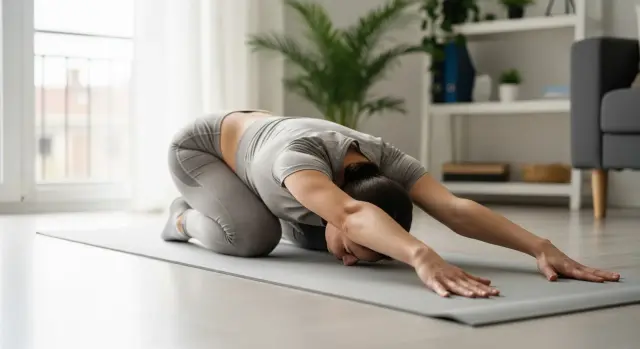
Child’s Pose Shoulder Blade Stretch
Alt text: An image of a person in Child’s Pose stretching the upper back and shoulders.
This is a gentle way to stretch the upper back and create space between the shoulder blades.
- Kneel on the floor with knees slightly apart
- Lower your torso forward and extend your arms
- Rest your forehead comfortably on the mat or a pillow
- Reach your arms forward gently
Hold for 20 to 30 seconds while breathing slowly.
Reverse Doorway Stretch

This stretch helps bring awareness to posture and gently activate the upper back.
- Stand in a doorway with hands at shoulder height
- Step slightly forward
- Gently lean back to bring the shoulder blades together
Adjust your position so the stretch feels comfortable, not forced.
Eagle Arms Stretch
Alt text: An image of a person performing an Eagle Arms stretch to release upper back tension.
This stretch helps relieve tension between the shoulder blades.
- Sit or stand tall
- Cross one arm over the other
- Bring palms together or back of hands together
- Lift elbows slightly and reach forward
Hold for 20 to 30 seconds, then switch sides.
Thread the Needle Stretch

The Thread the Needle stretch is a gentle movement that helps improve upper back mobility.
- Start on hands and knees
- Slide one arm underneath your body
- Lower your shoulder and head toward the floor
Hold for 20 to 30 seconds and repeat on the other side.
How to Stretch Safely and Comfortably
When stretching the rhomboid muscles, the goal is to reduce tension, not push your limits.
Keep these tips in mind:
- Move slowly and avoid sudden movements
- Stretch only to a comfortable range
- Breathe steadily throughout each movement
- Stop if you feel sharp or worsening pain
Gentle consistency is more effective than pushing too far. Over time, small daily efforts can lead to noticeable improvements in comfort and mobility.
Building a Simple Daily Routine
You do not need a long or complicated routine to feel better.
Even a few minutes of stretching each day can help:
- Reduce stiffness between the shoulder blades
- Improve posture while sitting or standing
- Make everyday movements feel easier
The key is keeping your routine simple and sustainable.
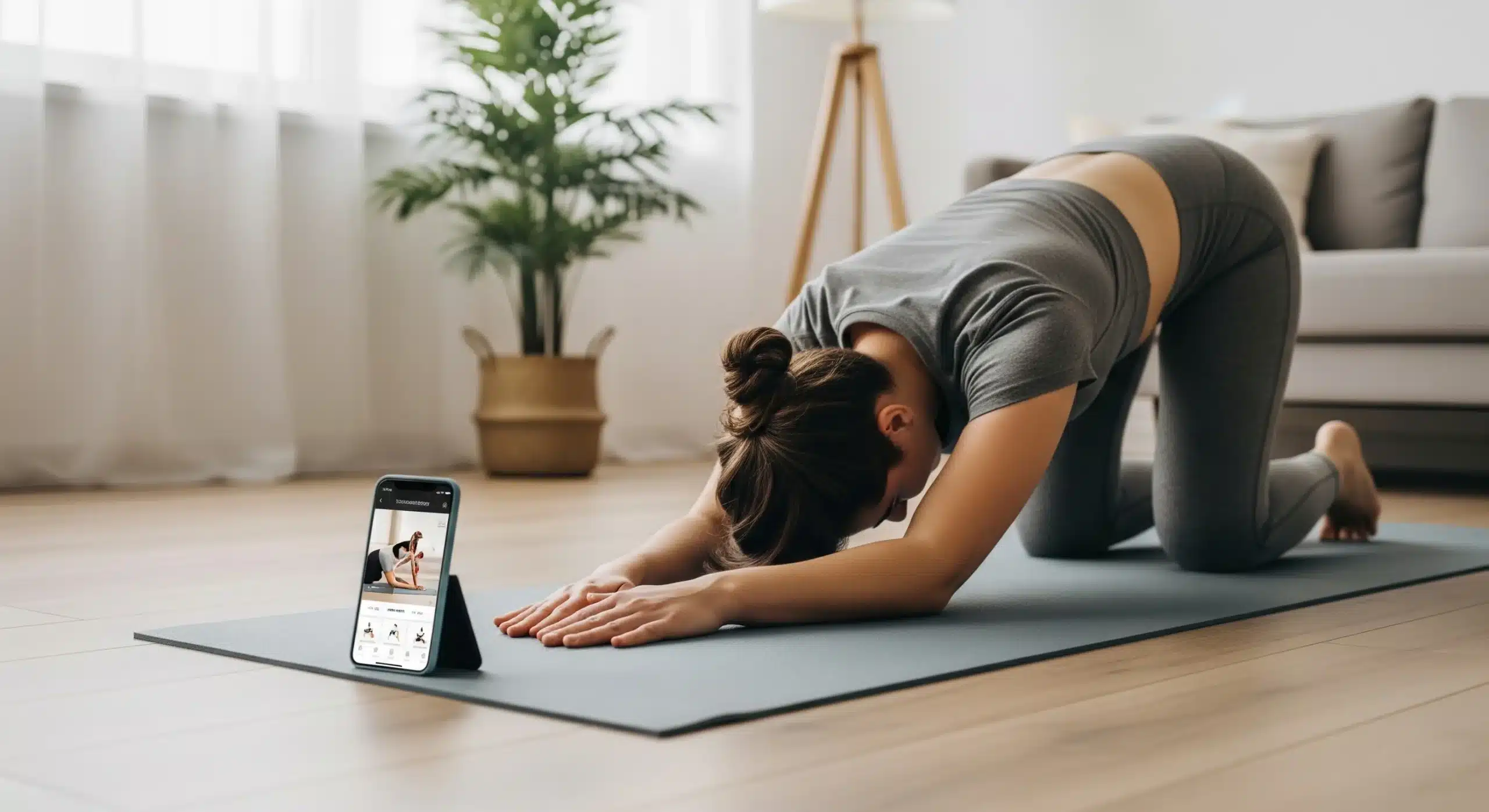
That is where tools like WeStretch can help. The app provides guided routines designed to support mobility, reduce stiffness, and help you stay active safely.
It is built for real people who want to feel better in their bodies, not push it to extremes.
Frequently Asked Questions
How do you relieve rhomboid muscle pain?+
Gentle stretching, posture awareness, and regular movement can help reduce tension between the shoulder blades. Simple stretches like Child’s Pose or Eagle Arms can improve comfort over time.
How do you loosen a tight rhomboid muscle?+
Consistent, low-intensity stretching can help loosen tight muscles. Heat, light movement, and avoiding long periods of sitting can also support relief.
What does rhomboid tightness feel like?+
It often feels like stiffness, a dull ache, or tightness between the shoulder blades. Some people may also notice a reduced range of motion.
What is the best sleeping position for upper back discomfort?+
Sleeping on your back with supportive pillows, or on your side with a pillow between your arms, can help reduce strain on the upper back.
What causes rhomboid muscle tension?+
Common causes include poor posture, prolonged sitting, repetitive movements, and lack of regular movement throughout the day.