
Morning Exercise and Stretches for Everybody
By WeStretch Editorial Team4 min read

How you move in the morning sets the tone for your entire day. A few minutes of gentle morning exercise can help loosen stiff joints, wake up tired muscles, and improve your energy before you head into work, caregiving, workouts, or daily life.
You don’t need a full gym routine or complicated equipment. Simple, intentional movement is often enough to help your body feel more comfortable and ready to move.
WeStretch walks you through easy stretches and movements you can do at home, on the floor, standing, or even still in bed.
Why Morning Exercises Matter
Your body naturally stiffens overnight. Joints settle, muscles shorten, and circulation slows. When you wake up, your system needs time to warm back up.
A short morning movement routine helps:
- Improve circulation
- Reduce joint stiffness
- Increase mobility
- Support posture
- Boost focus and energy
- Reduce aches and tension
For many people, morning movement is the most consistent habit they can maintain because it becomes part of their daily rhythm.
The Role of Morning Stretches in Daily Health
Regular stretching helps your body ease into movement before long hours of sitting or screen time begin. It gently wakes up your nervous system, supporting balance and coordination, while reminding your muscles how to properly support your joints. Stretching also encourages deeper breathing and better posture. Over time, even a short morning routine can make everyday movements feel easier, more comfortable, and more natural.
When Is the Best Time to Exercise?
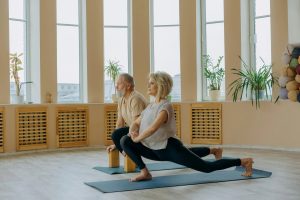
Many people ask, what is the best time to exercise?
The answer depends on your lifestyle, schedule, and personal energy levels. Some people feel strongest in the morning. Others prefer afternoon or evening workouts.
However, gentle movement in the morning offers unique benefits:
- It reduces stiffness after sleep
- It improves joint lubrication
- It wakes up your nervous system
- It supports posture for the rest of the day
You don’t need an intense workout first thing. A calm, steady approach is often more effective.
A Simple Morning Stretch Routine

This sequence takes about 8–12 minutes and can be done at your own pace.
Neck and Shoulder Reset
Slowly roll your shoulders backward 10 times. Gently tilt your head side to side, breathing deeply.
Standing Spinal Roll
Slowly roll down through your spine, letting your arms hang. Pause at the bottom, then roll back up slowly.
Hip Opener
Step one foot forward into a small lunge and gently rock forward and back.
Side Reach
Reach one arm overhead and gently bend sideways. Switch sides.
Hamstring Release
Place one foot on a chair or step and hinge forward gently.
This short morning stretch routine wakes up the entire body without strain.
Morning Stretches You Can Do in Bed

Some days, you want to move before you even get out from under the covers. That’s where morning stretches in bed can help.
Try these gentle movements:
- Knee-to-chest stretch
- Gentle spinal twist
- Ankle circles
- Arm reaches overhead
- Neck rotations
These movements help transition your body out of sleep mode without rushing.
Best Morning Stretches for Stiff Muscles
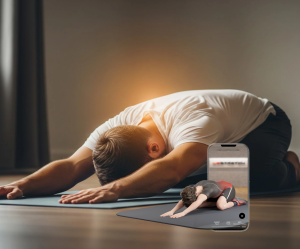
If you wake up feeling tight or sore, focus on slow, controlled stretches.
Some of the best morning stretches include:
- Cat-cow spinal movement
- Seated forward fold
- Chest opening stretch
- Hip flexor stretch
- Gentle backbend
Move slowly. Breathe deeply. Let your body guide your range.
Creating a Habit That Sticks
Consistency matters more than intensity.
Start small:
- 5 minutes of movement
- 2 or 3 stretches
- Gentle breathing
As your body adapts, you can build from there.
Many people find that short daily morning stretching exercises feel more sustainable than long workouts done only once or twice a week.
Making Morning Stretches Work for Everybody
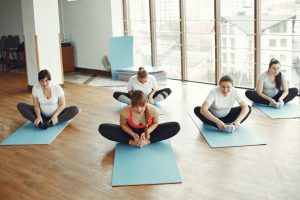
Everybody is different. Some people prefer standing movement. Others feel better starting on the floor or bed.
Your routine should feel:
- Comfortable
- Accessible
- Adaptable
- Enjoyable
There is no perfect routine. The best one is the one you will actually do.
How Morning Stretching Supports Long-Term Mobility
Movement early in the day keeps joints moving through healthy ranges of motion.
Over time, this helps:
- Reduce stiffness
- Improve posture
- Maintain flexibility
- Support balance
- Reduce injury risk
Even a short morning stretch routine builds long-term mobility.
Combining Stretching and Strength
Your body benefits from both.
Stretching improves flexibility and circulation.
Strength builds support and stability.
Together, they create better movement patterns throughout the day.
A balanced morning routine might include:
- 3–5 minutes of stretching
- 2–3 strengthening movements
- Gentle breathing
This keeps your body resilient and ready.
Making Movement Part of Your Morning Ritual

Tie your movement routine to an existing habit:
- After brushing your teeth
- Before making coffee
- After waking up
- Before checking your phone
This helps your brain link movement with your daily routine.
A Gentle Reminder
Movement doesn’t need to be perfect. It doesn’t need to be long. It just needs to be consistent.
A few minutes of intentional stretches can make your day feel lighter, more mobile, and more comfortable.
A Better Way to Start Your Morning

Your body deserves movement that feels good. Starting your day with simple stretches and gentle strengthening can support better posture, less stiffness, and more energy throughout the day.
If you want guided routines created by physiotherapists that you can follow at home, WeStretch makes it easy. Their programs support flexibility, mobility, and pain-free movement for every stage of life.
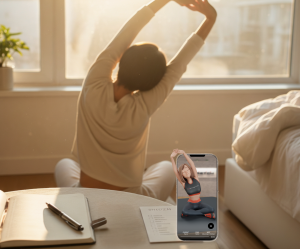
Start moving better today with your free trial!
Frequently Asked Questions
How long should a morning stretch routine be?+
A simple routine of 8-12 minutes is enough to loosen up your body, though even 5 minutes makes a difference.
Can I stretch in bed before getting up?+
Yes, gentle movements like knee-to-chest stretches, ankle circles, and spinal twists work well while still in bed.
Is morning the best time to exercise?+
It depends on your schedule and energy levels, but morning movement specifically helps reduce overnight stiffness and wake up your nervous system.
How do I make a morning stretch routine stick as a habit?+
Tie it to something you already do, like brushing your teeth or making coffee, so it becomes part of an existing routine rather than a separate task.