
Tendon Stretches for Achilles Flexibility
By WeStretch Editorial TeamUpdated 3 min read

Your Achilles tendon is a powerhouse, connecting your calf muscles to your heel and driving every step, jump, and sprint. When it becomes tight or overworked, it can lead to stiffness, discomfort, and a higher risk of injury. If you are looking for tendon stretches that support flexibility, improve mobility, and ease tension, focusing on proper Achilles care is essential.
With guided stretch routines and easy-to-follow demonstrations from WeStretch, stretching becomes more consistent and effective, helping you move comfortably, reduce strain, and stay active with confidence.
Benefits of Stretching the Achilles Tendon
Stretching your Achilles tendon supports efficient movement during both daily activities and exercise. Regular stretching improves flexibility, helps reduce stiffness, including an aching Achilles tendon in the morning, and supports better alignment, balance, and overall movement control so you can move more comfortably and confidently.
Tendon Stretches for Achilles Flexibility
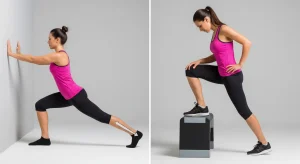
These stretches are safe, effective, and appropriate for most activity levels. You should feel a gentle pull, not sharp pain, when performing any Achilles heel stretches.
Wall calf stretch:
Stand facing a wall with your hands at shoulder height. Step one foot back, keep the heel down, and lean forward. Hold up to 30 seconds, then switch sides.
Heel drop stretch:
Stand on the edge of a step with the ball of your foot supported. Slowly lower the heel, pause, then return with control. Commonly used in exercises for Achilles tendonitis.
Seated Achilles stretch:
Sit with one leg extended, loop a towel or band around the ball of your foot, and gently pull toward you. Hold up to 30 seconds, then switch legs.
Toe-to-wall stretch:
Face a wall, place the ball of your foot against it, keep the heel grounded, and lean forward to stretch the Achilles gently.
Strength Exercises That Support Achilles Health
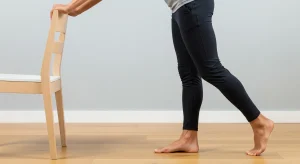
Stretching alone is not always enough, especially if you are returning to activity or doing workouts. Strengthening the calf muscles helps the tendon tolerate load more effectively.
Seated heel raises:
Sit with feet flat on the floor. Lift your heels slowly, pause briefly, then lower with control. This is a good starting point
Standing heel raises:
Perform the same movement while standing and holding a wall or counter for balance to increase demand.
Slow, controlled movements support tendon health and are commonly included in exercises for Achilles tendonitis recommended by clinicians.
Foot Tendonitis and Its Impact on the Achilles
Foot pain can change how you walk and increase strain on the Achilles. Foot tendonitis pain and tendon damage in the foot often contribute to stiffness higher up the chain.
Many people search for exercises for foot extensor tendonitis, foot extensor tendonitis exercises, exercises for extensor tendonitis of the foot, and extensor tendonitis foot exercises when the top of the foot feels sore or tight.
Improving foot mobility and managing load alongside Achilles stretching can help reduce compensations and support recovery.
Exercises and Activities to Avoid During Flare-Ups

When symptoms are active, certain movements may delay healing. Understanding Achilles tendonitis exercises to avoid is just as important as knowing what to do.
High-impact jumping, sudden sprinting, steep hill running, and aggressive stretching can worsen irritation. Stretching should never cause sharp pain, and increases in activity should be gradual. If discomfort increases after activity, reduce volume and intensity before progressing again.
Exercise Smarter with WeStretch

Consistency and proper technique matter when managing Achilles stiffness. WeStretch offers guided routines and clear demos to help you stretch safely, whether you are easing morning stiffness or supporting recovery.
Frequently Asked Questions
How do I know if my Achilles tendon needs stretching?+
Morning stiffness, tightness in the calf, or soreness after activity are common signs your Achilles could use more attention.
What stretches help most with Achilles tightness?+
The wall calf stretch, heel drop, and seated Achilles stretch are all effective, gentle options.
Should I stretch or strengthen my Achilles tendon?+
Both matter: stretching improves flexibility while heel raises and other strengthening exercises help the tendon handle load better.
What should I avoid if my Achilles tendon is flared up?+
Skip high-impact jumping, sudden sprinting, and aggressive stretching until symptoms calm down.