Exercise Do’s and Don’ts, Every Beginner Needs
By WeStretch Editorial Team6 min read
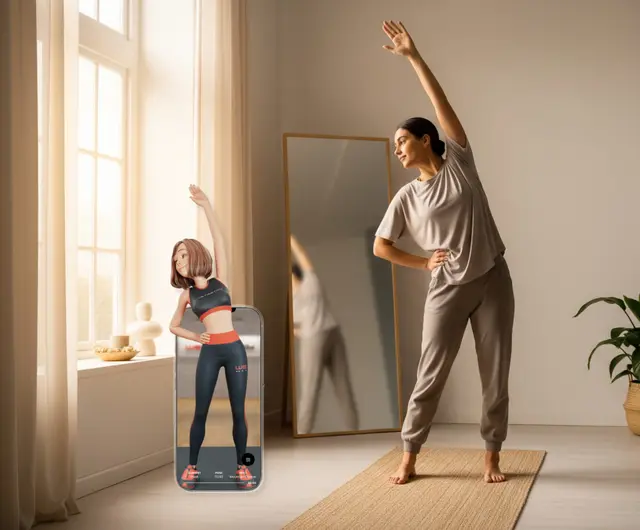
Most people do not begin exercising because they want a perfect routine. They begin because something in their daily life feels harder than it used to. Maybe you notice stiffness after a walk when you never felt it before. Maybe you sit down to put on socks because bending feels tight. Maybe getting out of a car requires more effort than it once did. These moments may seem small, but they are the early signs that mobility is starting to fade.
Mobility rarely disappears all at once. It slips away quietly, one unstretched muscle at a time and one unused range of motion at a time. When you catch these signs early, you have a powerful opportunity to protect your ability. You do not need intense workouts or complicated routines. You simply need consistent movement, gentle strength, and stretching that supports the body you want to keep by following the most essential exercise do’s.
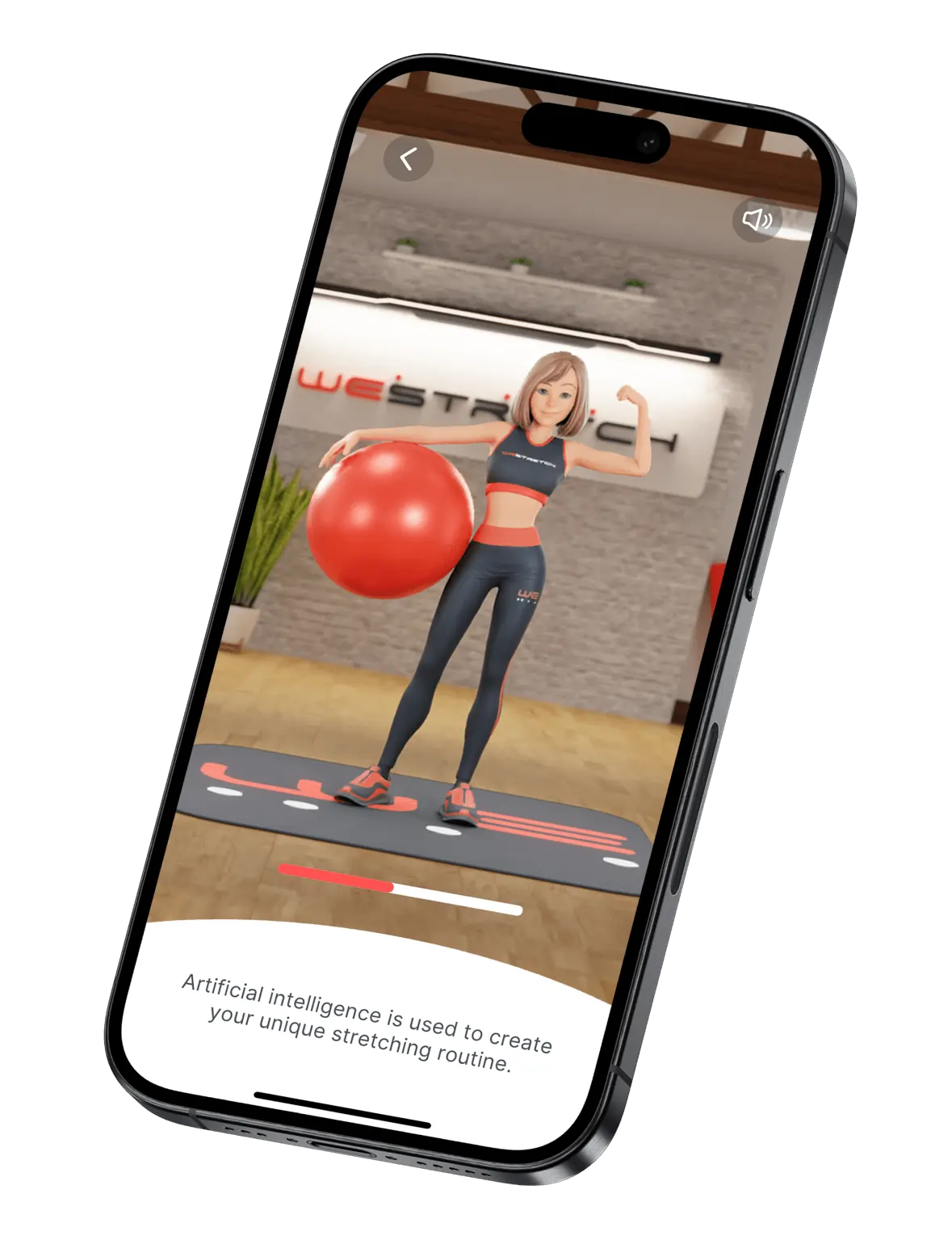
WeStretch serves people who will act now to relieve their stiffness and pain while restoring or expanding mobility. The app instantly creates a fully demonstrated and on-demand stretching routine that is unique every time you open it. This makes movement accessible, safe, and achievable on even the busiest days.
Start With Body Awareness

Before thinking about exercise intensity, start by paying attention to how your body moves. Slow and controlled movement teaches your joints, muscles, and nervous system to work together. You do not need to move perfectly. You only need to move with intention.
Do:
- Notice how each repetition feels in your body.
- Move slowly enough that you can sense muscles engaging.
- Keep your breathing calm and natural.
Don’t:
- Push through sharp pain.
- Rush your movements.
- Force your body into ranges that feel unsafe.
Building awareness is often the first step in preventing the common moments many people experience as mobility declines. These include wobbling while putting on pants, struggling to stand up from low chairs, feeling unsteady on stairs, or stiffening up after flights. Awareness helps you catch these signals early so you can respond.
Build Strength to Support Your Back, Shoulders, and Core
Strength work becomes important when everyday activities begin to feel different. You may notice your posture rounding more easily or feel soreness after simple tasks like picking up groceries or gardening. These are signs that the supporting muscles around your spine and shoulders need attention.
Do:
- Choose exercises that activate the upper back and core without straining the neck.
- Focus on a gentle and steady range of motion.
- Keep length through your spine and a soft lift through your chest.
These adjustments help restore posture and prevent the slow rounding and tightening that many people associate with aging. Strength and mobility work together. When muscles are too tight, they cannot support you well. When joints cannot move freely, strength becomes harder to build.
Using Weights Safely
Beginners do not need heavy dumbbells or complex equipment. Light weights allow you to learn control without overwhelming your joints. What matters most is alignment.
Do:
- Use weights that let you maintain a relaxed neck and stable core.
- Feel your shoulder blades work rather than lifting your shoulders toward your ears.
- Choose machines or benches if they help you feel more supported.
Don’t:
- Rely on momentum to complete the movement.
- Increase weight before you feel steady and confident.
- Ignore fatigue or discomfort.
If weights feel intimidating, WeStretch can serve as your starting point. Many of the strengthening routines inside the app use your own body weight and controlled holds to gently improve strength through mobility. This prepares your joints and muscles for more demanding exercise later on if you choose to add it.
Build Foundational Strength and Mobility
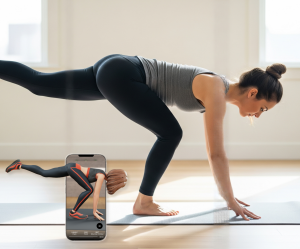
Mobility and strength are two sides of the same coin. When your tissues are flexible, your muscles function better. When your joints have room to move, daily tasks feel easier.
- Keep a neutral spine as often as possible.
- Train balance in small and manageable steps.
- Increase difficulty at a pace that feels safe.
- Progress slowly but consistently
WeStretch offers routines for posture relief, fundamental mobility, sport improvement, warm-up or cool-down, and more. Each one adjusts to your skill level and your comfort level. Every session is built instantly with your history in mind, so you move through all the ranges you need.
Understanding Muscle Engagement and Healthy Progression
Many beginners want to know how to activate muscles correctly without creating compensations. The key is patience.
- Move slowly enough to feel which muscles turn on.
- Keep joints aligned and stacked.
- Increase challenge only when movement feels controlled.
This approach prevents common compensation patterns like rounding the back, lifting the shoulders, or locking the knees.
Move Confidently in Any Environment

Whether you exercise at home, in a gym, in a group class, or on a sports field, the principles stay the same. Form comes first. Control supports confidence. Consistency builds ability.
You do not need a long session. You do not need a complex routine. You simply need movement you can continue with regularly.
Exercise Considerations
Your needs may change over time. Beginners, older adults, people returning from inactivity, and those experiencing pregnancy all require different forms of guidance.
During pregnancy, posture shifts. Balance changes. Some positions may become uncomfortable. WeStretch routines for prenatal mobility offer safe, supported options that adjust automatically to these changes and allow you to avoid positions that do not feel right.
No matter your life stage, the goal is the same. Restore comfort. Protectability. Reduce stiffness. Move with confidence.
Consistency Always Matters More Than Intensity
Mobility fades in small moments. It also returns in small moments. You do not need extreme effort to make progress. You need regular effort.
A few minutes of guided movement each day can:
- Reduce stiffness
- Improve balance
- Restore confidence in everyday movement
- Support strength training
- Help you stay able for years to come
The most successful routines are the ones you can continue long-term. WeStretch supports this through badges, coins, gentle reminders, and routines that feel fresh and personalised every single time.
Stretching is essential for posture, comfort, balance, and recovery. It is the quiet partner that prevents injuries and supports the strength you build. When your hips, shoulders, and spine move freely, every exercise becomes safer.
Many people begin strength training and soon realise that tightness, not weakness, is what limits their progress. Stretching removes those barriers. It allows you to move through life with ease, whether that means reaching into a cupboard, getting down on the floor with grandkids, or playing pickleball without fear.
Build a Routine You Can Continue for Life
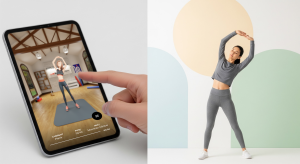
Your routine should support your life rather than compete with it. The best plan is the one you can stick with on a regular basis. WeStretch makes this simple by building your routine instantly each time you open the app. You choose the time. You choose your focus. The app handles the rest.
Final Dos:
- Warm up gradually
- Stay within comfortable ranges
- Focus on quality
- Celebrate every improvement
- Rest when needed
- Pair strength and stretching
Every person can grow stronger and more mobile with time, support, and consistent guided movement. WeStretch is ready to help you stay able one routine at a time.
Ready to Put the Exercise Do’s Into Practice
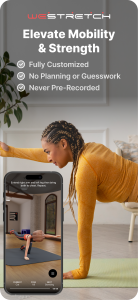
Move with intention, stay in comfortable ranges, and keep your body supported with slow and controlled movement. These small choices protect your joints and help your strength and mobility grow safely.
Flexible joints move more easily, reduce stiffness, and make everyday activities feel smoother. When you follow these principles consistently, your body begins to feel more capable in everything you do.
Start a Free Trial!
Discover fully guided routines that follow every exercise your body needs to stay able.
Frequently Asked Questions
What's the biggest mistake beginners make when starting to exercise?+
Pushing through sharp pain or rushing movements instead of moving slowly and with control.
Do beginners need heavy weights to build strength?+
No. Light weights or even bodyweight movements are enough to build control and strength safely at first.
What matters more, consistency or intensity?+
Consistency. Small, regular movement does more for long-term mobility than occasional intense effort.
How can stretching support a beginner's exercise routine?+
Stretching removes the tightness that often limits strength progress and makes everyday movement easier and safer. Try WeStretch to get started with guided routines.