13 Stretches For Lower Back Pain That Actually Help
By WeStretch Editorial Team6 min read

If you have ever struggled with lower back pain late at night or after a long day, you are not alone. Lower back discomfort is incredibly common and can show up after long desk days, sudden changes in activity, or everyday movements like carrying groceries. The good news is that gentle, consistent movement often helps. The goal is not to stretch harder. It is to stretch smarter, with control, calm breathing, and no forcing.
WeStretch supports runners and everyday movers who want balanced muscle function and long-term joint health. Here are 13 stretches for lower back pain that can help improve mobility, reduce stiffness, and support more comfortable movement.
Why Lower Back Pain Is So Common?
Lower back pain is the leading cause of disability worldwide. Many cases are considered nonspecific, meaning there is no single clear cause.
What we do know is that tight hips, weak or tired glutes, limited core support, and stiff upper backs often push extra work onto the lower back. Stretching helps reduce tension and restore movement, so your back does not feel stuck or overloaded.
Back Warm-Up Exercises Before Stretching
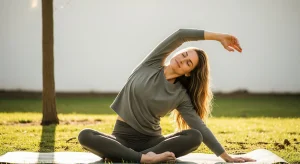
Before deeper stretching, a short warm-up helps your body feel safe to move. A slow walk, gentle pelvic tilts, and a few deep breaths can make a big difference. Back warm-up exercises are especially helpful after sitting, driving, or waking up stiff.
If pain is sharp, shooting, or travelling down the leg with numbness, skip experimenting and get assessed. For common stiff or achy pain, warming up often makes stretching feel much better.
13 Stretches for Lower Back Pain
This section is your main menu. You do not need to do every stretch every day. Pick a handful that feel good and rotate them. If you want to build a simple habit, aim for five to eight minutes total, staying in a comfortable range where you can breathe normally.
Stretch 1: Knees-to-Chest
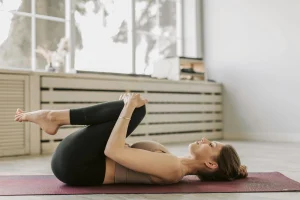
Lie on your back and bring one knee toward your chest, then the other if it feels fine. Keep your shoulders relaxed and let your lower back soften into the floor. This can feel especially soothing when your lower back hurts after walking, and you feel like everything is tight and compressed.
Stretch 2: Knee Rolls
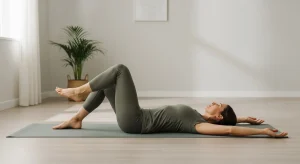
Lie on your back with knees bent and feet on the floor. Slowly let both knees drift to one side, then the other. Keep it small and controlled. This is a gentle way to restore motion without forcing a twist.
Stretch 3: Cat-Cow
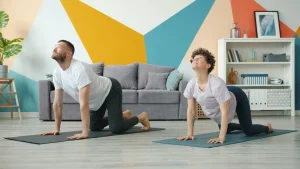
On hands and knees, slowly round your spine, then slowly arch. Make the movement smooth and easy, not big and dramatic. Cat-cow is one of the best stretches to relieve back pain because it gives your spine motion in both directions without loading it heavily.
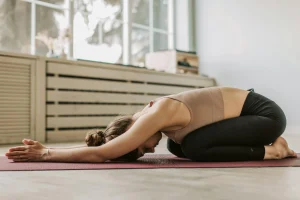
Stretch 4: Child’s Pose
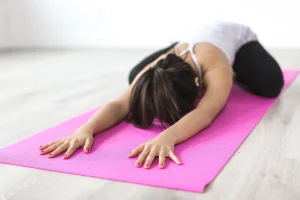
From hands and knees, sit your hips back toward your heels and reach your arms forward. If your knees do not love this, widen your stance or place a pillow under your hips. This is a classic backstretch that many people find calming when they feel stiff all over.
Stretch 5: Cobra
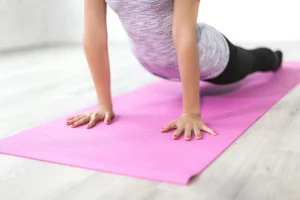
Lie on your stomach and come up onto your forearms. Keep your glutes relaxed, and your belly gently engaged. This is a nice option when sitting has rounded you forward all day, and you want a gentle extension without cranking your back.
Stretch 6: Seated Figure Four
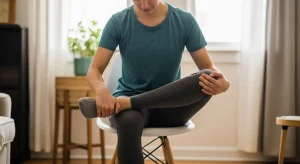
Sit on a chair, cross one ankle over the opposite knee, and hinge forward slightly with a long spine. You should feel this in the hip and glute, not in the knee. Tight hips often contribute to low back tension, so this one can be a game-changer.
Stretch 7: Hamstring Strap Stretch
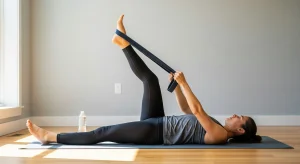
Lie on your back and loop a towel or strap around your foot. Slowly straighten the leg toward the ceiling until you feel a stretch behind the thigh. Keep the other leg bent if your back feels better that way. Hamstrings connect to the pelvis, so when they are tight, your lower back often feels it.
Stretch 8: Hip-Flexor Lunge Stretch
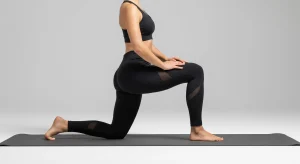
Kneel in a half lunge and gently shift your hips forward until you feel the stretch in the front of the hip of the kneeling leg. Keep your ribs stacked over your pelvis so it does not turn into a low back bend. Hip flexors get short from sitting, and they can pull your pelvis into positions your back does not enjoy.
Stretch 9: Glute Hug
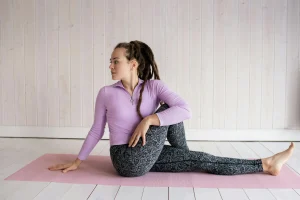
Lie on your back, hug one knee across your body toward the opposite shoulder. You should feel this deep in the glute. If you feel pinching in the front of the hip, back off and keep it smaller.
Stretch 10: Thread-the-Needle
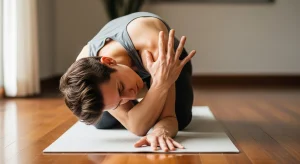
On hands and knees, slide one arm under your body and let your shoulder and head rest. This gives the upper back a gentle rotation, which can help the lower back stop over-twisting to compensate.
Stretch 11: Side-Bend Reach

Stand tall, reach one arm up, and gently lean to the opposite side. Keep both feet grounded and avoid collapsing forward. This can help when your side body feels tight, especially around the quadratus lumborum area.
Stretch 12: Supported Bridge Hold
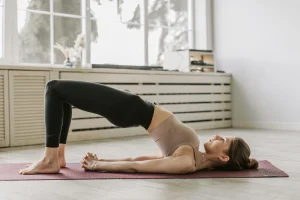
Lie on your back with knees bent and feet on the floor. Lift your hips gently into a bridge and hold for a few breaths. This is technically more of a strength-based stretch, but it wakes up the glutes and gives your back a supported position.
Stretch 13: Walking Hamstring Sweep
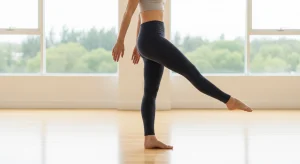
Stand tall and slowly sweep one leg forward with the heel down and toes up, then return. Keep it smooth, not bouncy. This is a great bridge between stretching and moving, especially before a walk or run.
When Lower Back Hurts After Walking
If your lower back hurts after walking, it is often a sign that something is fatiguing and the back is helping out. Tight hip flexors, underactive glutes, or a sudden jump in walking volume are common causes. Try knee rolls, hip flexor stretches, and hamstring stretches after your walk. If pain worsens or travels down the leg, get checked.
Lower Back Pain Rehabilitation And Strength
Stretching is only one piece. Lower back pain rehabilitation exercises often include gentle mobility, core control, hip strength, and gradually returning to activity. A simple plan is stretching most days, adding light strength two to three times a week, and increasing walking gradually.
Lower Back Pain Exercises To Avoid During Flare Ups
When pain flares, aggressive toe touching, fast twisting, heavy lifting, and high-volume sit-ups can make things worse. These movements are not bad forever, but your back may need calmer options first.
How Do I Strengthen My Lower Back Safely
If you are wondering how to strengthen your lower back, think bigger than the back itself. Most people benefit more from stronger glutes, better core control, and steady progress than from isolated back exercises. Strength should feel steady, not spicy.
Building A Better Back Through Daily Habits
A better back comes from consistency, not intensity. Short backstretch routines done regularly work better than long sessions done occasionally. Movement variety throughout the day matters more than perfect posture.
How WeStretch Supports Your Routine
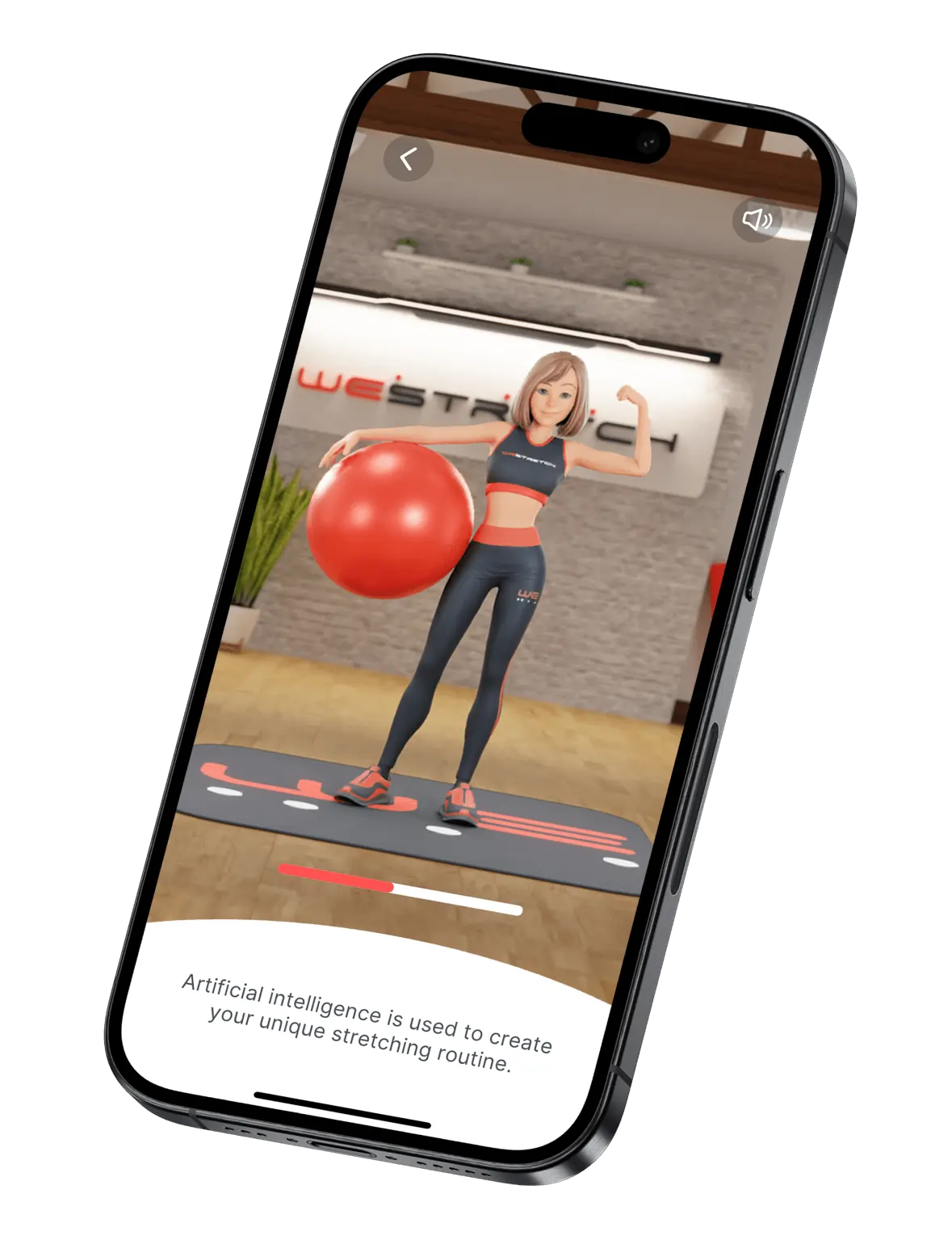
WeStretch takes the guesswork out of stretching. We guide you through routines that support mobility, balance muscle function, and long-term joint health. Whether you are a runner or simply want to move with less pain, WeStretch fits into real life.
Build A Better Back With WeStretch
These stretches for lower back pain are a starting point. Choose what feels good, stay consistent, and pair stretching with smart movement. When your body feels supported, your back often settles down.
Ready to move better and build a better back that lasts. Download WeStretch and start stretching with purpose today.
Frequently Asked Questions
How Often Should I Do These Stretches?+
Most people do well with gentle stretching most days, especially during a stiff phase. If your back is cranky, shorter sessions more often usually beat one long, intense session.
What if Stretching Helps for an Hour, Then Pain Comes Back?+
That is common when the bigger issue is endurance or strength. Keep the stretching, then add gentle strengthening and walking progressions so your body can hold the improvements.
What is WeStretch?+
WeStretch is an app supported by stretch specialists that helps you follow guided stretching routines at home, with an emphasis on mobility, balance, and long-term joint health.
Is Westretch Good for Beginners?+
Yes. Most routines are designed to be approachable, with simple cues and modifications so you can work within your current flexibility and comfort.